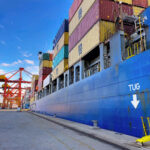
Leaving Australia’s domestic fuel supply high and dry, global shipping disruptions amid tension in the Middle East have sent shockwaves down the supply chain. For primary producers, the consequences have landed across the full breadth of their commercial arrangements. Government relief measures were a step in the right direction.
The Fair Work Commission order
On 20 April 2026, the Fair Work Commission made the Road Transport Contractual Chain Order – Fuel Cost Recovery to address rising fuel costs in the road transport industry. The order required certain parties, including businesses engaging road transport services and transport operators themselves, to review fuel costs and adjust transport rates accordingly.
The order’s mandatory payment obligations have been temporarily paused since 7 June 2026 when national wholesale diesel prices fell below $2.00 per litre. The Fair Work Commission has set a formal hearing on 9 October 2026 to discuss the order’s reactivation. Primary producers using third-party logistics for grain, livestock or product movement should therefore assess whether the order applies to their arrangements.
Fuel supply agreements: best endeavours or firm commitment?
The fuel shortage has prompted many wholesale distributors to reduce or suspend fuel allocations. Whether a reduction gives rise to a breach of contract turns on one question:
- does the agreement contain a firm supply commitment; or
- does it impose only a best endeavours obligation?
A best endeavours clause requires a party to do everything reasonably within their power to fulfil its obligations. However, where a genuine supply shortage occurs, their obligations may be suspended. By contrast, a firm commitment binds the supplier to delivery regardless of external factors.
This distinction applies equally to producers who have entered into supply agreements for grain, livestock or other products. A rise in cost or a margin squeeze does not ordinarily suspend a producer’s contractual obligations. Reviewing contract terms now, and negotiating favourable terms going forward, can provide real protection against disruptions of this kind.
Force majeure
Force majeure is frequently raised in disruption scenarios to excuse non-performance or limit liability. In Australia, however, there is no freestanding or implied doctrine of force majeure. Rather, it only exists where a contract expressly provides for it, and the circumstances in which it may be invoked depend on the wording of the relevant clause.
A party seeking to rely on a force majeure clause must establish that the event falls within the clause, was beyond its control, and prevented performance, rather than merely making it more difficult or costly. A producer whose margins have been compressed by higher fuel prices, but who remains capable of performing its contractual obligations, may struggle to rely on force majeure on that basis alone.
Where force majeure is established, the usual effect is to temporarily suspend the affected party’s obligations, as opposed to terminating the contract. Obligations typically resume when the disrupting event passes. Where no force majeure clause exists, courts have been reluctant to find an agreement void simply because it has become less profitable.
If you have concerns about how fuel shortages affect your contractual position, contact Thynne + Macartney’s Agriculture team.
This information is intended to provide a general summary only and should not be relied on as a substitute for legal advice.